The Story Behind Merch
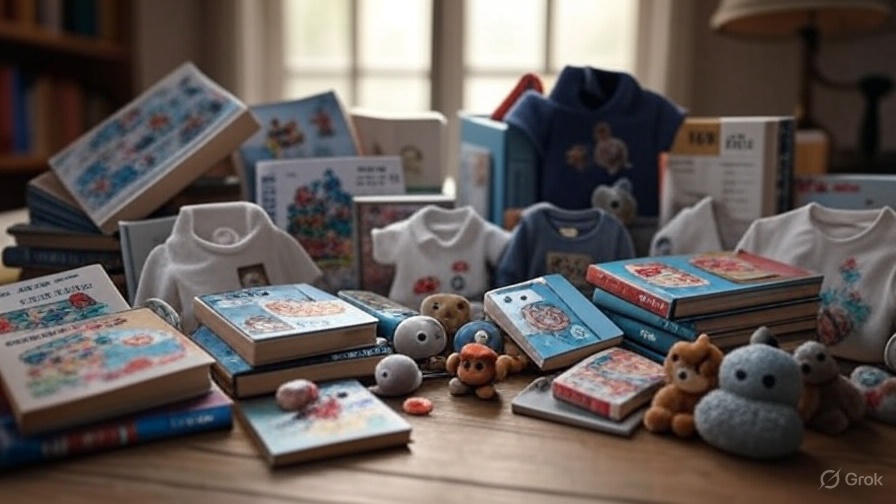
Merchandise often means T-shirts, mugs, or posters with popular names, bands, or icons on them. Each piece tells a story, like a mini adventure full of creativity, clever branding, culture, and style. The story goes deeper than just the item itself—it shows how people, companies, and groups use these things to share ideas, connect with others, and leave a lasting mark. For instance, a single T-shirt or mug can carry a strong message that runs way deeper than what you see. Fans of marketing, design, or culture will dig this because it reveals secrets most people miss. Dive in to uncover the hidden stories behind everyday merch and find out why it really matters.
Understanding the narrative behind merchandise helps us appreciate its significance in today’s world, whether it’s a band selling concert shirts or a startup building its identity with promotional items. In this post, we’ll explore the roots of merch, how stories shape designs, the role of storytelling in branding, and practical tips to create merchandise that truly tells your story. Get ready to uncover the compelling tales hidden in the items you see and wear every day.
Origins of Merchandise: How It All Began
Historical Roots of Merchandizing
The concept of merchandise dates back centuries. Early forms of selling goods appeared in ancient marketplaces where traders offered products for barter or sale. However, the idea of promotional and branded merchandise started gaining traction in the 19th and 20th centuries, particularly with the rise of mass media and consumer culture.
In the early 1900s, companies began printing their logos on everyday items like buttons or calendars to promote brand recognition. This shift from simple sales to strategic promotion marked the beginning of merchandise as a storytelling tool — creating a visual connection between brands and their audiences.
The Role of Storytelling in Merchandise Design
Bringing Stories to Life Through Visuals
Design isn’t just about making a product look attractive; it is about communicating a story. Whether it’s a logo, slogan, or artwork on a T-shirt, every element should reflect a message. For example, a band might choose album artwork that visually narrates the theme of their latest release, creating an emotional link with fans.
Effective merchandise design tells a story at a glance. It captures attention, sparks curiosity, and can even evoke nostalgia or pride. Visual storytelling through merchandise helps brands build an emotional connection, making the items more meaningful and valuable to consumers.
Building a Brand Through Merchandise
Using Merch as a Brand Storytelling Platform
Merchandise serves as a mobile billboard for your brand. It helps craft a narrative around your identity, values, or mission. For example, charitable organizations often include stories of impact on their merchandise, encouraging supporters to become ambassadors for a cause.
Successful brands often leverage their merchandise to reinforce messaging. Nike, for instance, uses slogans like “Just Do It” alongside iconic logos to inspire resilience and determination. By aligning merchandise with core stories, brands create a cohesive experience that resonates with their audience.
Understanding Your Audience’s Connection to Merchandise
Engaging Through Personalization and Community
People buy merchandise not just for the product but for what it represents. Personal connections, cultural identity, or community belonging drive purchasing decisions. For example, fans may wear band shirts to showcase their allegiance or participate in a shared experience.
Smart merch strategies include offering personalized options or limited-edition items. These create a sense of exclusivity and deepen the emotional bond. Brands that understand their audience’s stories and values can develop merchandise that encourages loyalty and identity expression.
Creating Merchandise That Tells a Personal or Cultural Story
Examples of Merch That Embody Narratives
- Pop Culture Icons: Merchandise featuring characters from movies or TV shows often encapsulate themes of heroism, humor, or nostalgia.
- Social Movements: T-shirts or pins with messages promote awareness and solidarity around issues like environmental conservation or social justice.
- Local Pride: Products highlighting regional symbols or languages foster cultural pride and shared stories within communities.
To tell a compelling story through merch, consider what experiences, beliefs, or values you want to communicate. Incorporate storytelling elements into designs, messaging, and even packaging to create a cohesive narrative that resonates with your audience.
Actionable Tips for Developing Merchandise That Tells Your Story
- Define Your Core Message: Before designing, clarify what story or value your merchandise should communicate. Is it about empowerment, humor, tradition, or innovation?
- Research Your Audience: Understand what resonates with your target demographic. Use surveys, social media feedback, and community insights to inform designs.
- Leverage Visual Symbols: Use colors, icons, and imagery that reflect your narrative. Consistency in visual language helps reinforce your story.
- Create Limited Editions: Special releases can commemorate milestones or specific stories, making merchandise feel more collectible and meaningful.
- Share the Story: Use your marketing channels to tell the background behind each product, adding depth and context that encourage emotional connections.
Conclusion: Making Your Merchandise a Narrative Tool
The story behind merchandise extends beyond simple branding; it’s about creating authentic connections, expressing identities, and communicating values through tangible items. Whether you’re building a business, promoting a cause, or celebrating community, strategic storytelling in your merchandise can turn ordinary items into powerful symbols of meaning.
Take the time to understand your audience, craft designs that speak to shared experiences, and tell the story behind each product. The more genuine and thoughtful your approach, the more your merchandise will resonate and leave a lasting impression. Remember, the items you create are not just products — they are carriers of stories that can inspire, unite, and define your brand or community.
If you’re ready to start sharing your story through merchandise, begin with a clear message, involve your audience in the creative process, and keep authenticity at the core. With a compelling narrative, your merchandise can truly become a reflection of who you are and what you stand for.