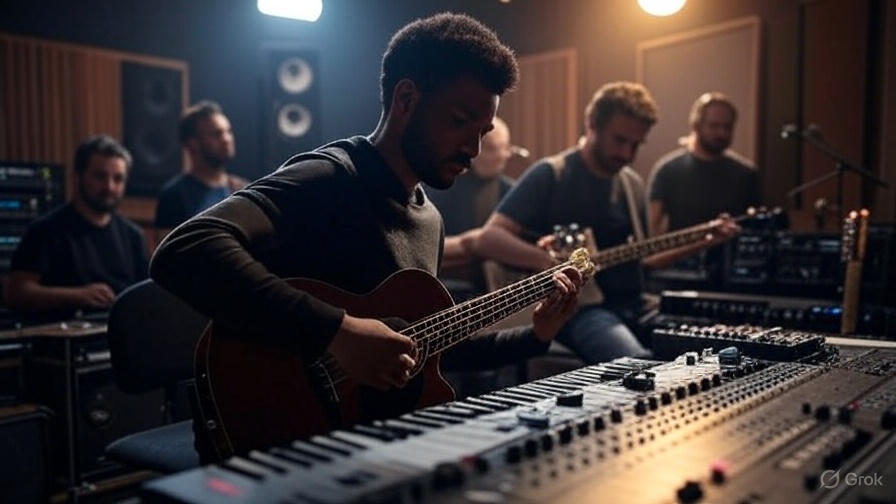
The Making of an Album
Creating an album feels like hopping on a wild rollercoaster with twists and surprises at every corner.
It blends big dreams with hard work and a deep understanding of the music game.
Musicians, producers, and music lovers eager to explore will get a kick out of watching a tiny spark turn into a full album.
Whether dropping a first album or simply curious, knowing the real steps uncovers the passion, sweat, and skill behind each song.
Some legendary albums take years to build, with constant fine-tuning and late-night grind sessions most people never see.
That behind-the-scenes hustle gives the process an electric buzz and proves every sleepless night pays off.
Looking deeper reveals a world much bigger than just playing tracks—it’s a thrilling adventure that grabs you and won’t let go.
Keep reading to uncover the secrets that make music magic happen.
In this guide, we will break down the key phases involved in producing an album. From initial ideas to promotion, each stage plays a vital role in turning musical ideas into a finished collection of songs that resonate with audiences. By gaining insight into this process, you can better appreciate what goes into creating an album and how you might approach your own music projects with confidence.
Understanding the Concept and Vision Behind an Album
The journey of making an album begins long before recording starts. It all starts with a clear idea of what the artist wants to communicate and the overarching theme that ties the collection of songs together. Establishing a strong concept provides focus and direction throughout the project.
Defining the Artistic Direction
- Identify the core message or emotion you want your album to convey.
- Determine the genre, style, and mood that best fit your vision.
- Assess your influences and unique sound to establish a distinctive identity.
Many artists spend time creating mood boards, playlists, or written statements to refine their vision. This foundational work makes subsequent steps more focused and cohesive, ensuring each track aligns with the overall aim of the album.
Pre-Production: Planning the Path to Your Album
Once the concept is clear, the next phase involves preparation that sets the stage for recording. Proper planning reduces complications later and helps keep the project on track.
Selecting Songs and Building a Tracklist
- Choose songs that serve the album’s theme and flow well together.
- Decide which songs need further development, rewriting, or rearrangement.
- Arrange the order to create a narrative or emotional journey for listeners.
Many artists also write new material during this stage or revisit older demos and sketches. Creating a roadmap of the album helps organize the recording process and set realistic timelines.
Recording and Producing Music
This is the core phase where ideas become sonically tangible. Recording involves capturing performances, while producing ensures the sound remains aligned with the overall vision.
Setting Up the Studio Environment
- Choose between a professional studio or a home setup based on budget and needs.
- Select appropriate equipment such as microphones, audio interfaces, and monitors.
- Prepare the space to minimize noise and optimize acoustics.
Performing and Tracking
- Lay down primary instrument recordings, such as drums, bass, and guitar.
- Record vocals with attention to clarity and emotion.
- Capture multiple takes for options in editing and mixing.
The role of a producer here is crucial — guiding performances, making technical decisions, and maintaining the spirit of the tracks. This phase often involves collaboration with session musicians, engineers, and sound designers.
Mixing and Mastering: Refining Your Album’s Sound
After recording, the next steps involve shaping the audio to achieve clarity, balance, and character. Mixing is the process of blending individual tracks, while mastering finalizes the entire album for distribution.
Mixing: Balancing and Enhancing Tracks
- Adjust volume levels, panning, and equalization to create a cohesive sound.
- Add effects such as reverb, delay, and modulation for depth and atmosphere.
- Listen critically across different systems to ensure consistency.
Mastering: Final Polish
- Apply compression, EQ, and limiting to optimize loudness and tonal balance.
- Ensure uniformity across all tracks for a seamless listening experience.
- Prepare audio files in formats suitable for streaming, CD, or vinyl pressing.
Investing in professional mixing and mastering dramatically improves how your album will sound to audiences worldwide.
Artwork, Packaging, and Presentation
An album’s visual elements play a significant role in shaping listener perceptions and marketing. Cover art, liner notes, and packaging should reflect the album’s theme and aesthetic.
Designing Cover Art
- Hire a graphic designer or create your own visuals aligned with your concept.
- Consider how the artwork will appear across digital platforms and physical formats.
- Ensure the imagery complements the music and entices potential listeners.
Creating a Consistent Visual Identity
- Develop a cohesive style for promotional materials, social media, and merchandise.
- Use branding elements that make your album easily recognizable.
When presentation matches content, it enhances the overall impact and makes your album stand out in a crowded market.
Distribution and Promotion Strategies
Having a finished album is only part of the process. Reaching an audience requires strategic efforts in distribution and marketing.
Choosing Distribution Channels
- Opt for digital platforms like Spotify, Apple Music, and Amazon Music.
- Consider physical distribution for CDs, vinyl, or tapes through specialty stores or online sales.
- Use distribution services that can simplify the process and reach multiple outlets.
Developing a Promotion Plan
- Leverage social media to build anticipation and share behind-the-scenes content.
- Plan and execute release events or virtual listening parties.
- Seek reviews, collaborations, and playlist placements to expand reach.
Effective promotion enhances visibility and can help your album gain the traction it deserves.
Monitoring Success and Gathering Feedback
After release, paying attention to how your album is received helps inform future projects. Track streaming data, sales, and audience engagement to understand what resonates.
Engaging with Listeners
- Respond to comments and messages for a stronger connection.
- Ask for honest feedback to identify strengths and areas for improvement.
- Use insights to enhance your craft and plan your next steps.
Continuous growth relies on these insights, helping you evolve as an artist and improve your future releases.
Conclusion: The Art and Science of Making an Album
Producing an album is simultaneously a creative adventure and a technical challenge. Each phase from conceptualization to promotion demands patience, attention to detail, and a willingness to learn. Success often hinges on balancing artistic integrity with practical strategies, ensuring that your music reaches the right audience while remaining true to your vision.
While the process can seem overwhelming, breaking down each step allows for manageable progress. Developing a clear concept, planning meticulously, investing in quality recordings, and thoughtfully presenting your work all contribute to an album that stands out. Remember that the journey doesn’t end with release; engaging with listeners and understanding market responses fuels ongoing growth.
Now is the time to take what you’ve learned and start turning your musical ideas into a complete album. Whether you’re recording in a bedroom studio or working with professionals, focus on quality and authenticity. With dedication and strategic effort, your album can become a meaningful milestone in your musical journey. Begin today and bring your artistic vision to life.