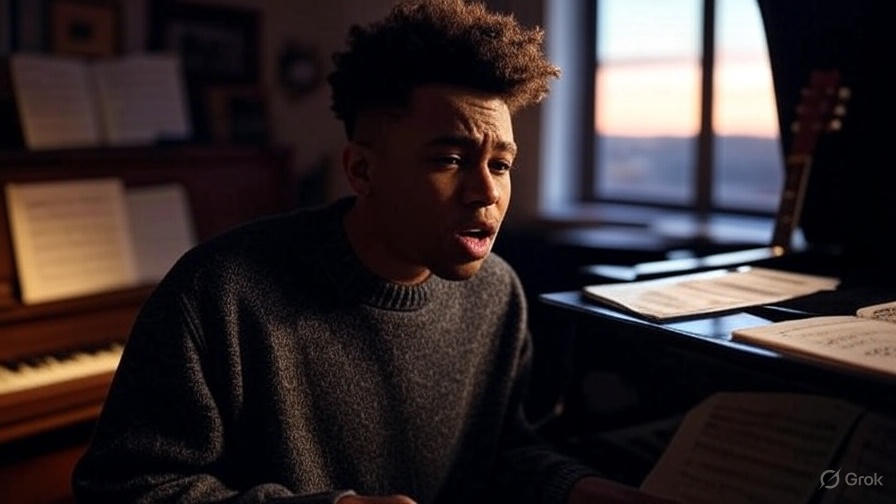
My Songwriting Journey
Starting to write songs feels both exciting and scary. Many songwriters go through bursts of ideas followed by moments of doubt and nonstop learning. Whether just beginning or writing for years and aiming to get better, knowing the basics can speed up progress and output much more. This topic fits anyone who wants to write cooler songs faster and keep creativity rolling without getting stuck. Learning these simple tricks can change the whole process, making it easier and a lot more enjoyable. Keep reading to find secrets that turn simple song ideas into real hits.
The process of creating songs involves more than just lyrics and melodies—it’s about developing your voice, establishing productive habits, and finding ways to express your emotions authentically. In this article, I will share insights from personal experience, industry standards, and proven techniques to help you turn your passion into a consistent musical expression. If you’ve ever wondered how to move forward or how to deepen your connection to songwriting, keep reading. Your journey starts here.
Understanding Your Personal Songwriting Style
Identifying what makes your voice unique
Every songwriter has a distinct approach influenced by their experiences, musical preferences, and emotional landscape. To develop your style, spend time analyzing what resonates with you. Do you prefer storytelling or abstract lyricism? Are your melodies simple or complex? Recognizing these tendencies can help you refine your work and communicate more authentically on paper and in melody.
Try keeping a songwriting journal where you jot down ideas, phrases, or melodies that stand out. Review entries periodically to identify patterns or themes. Over time, this awareness will shape your artistic signature—something that makes your music unmistakable.
Experimenting with different genres and techniques
Branching into various genres can expand your creative palette and reveal new methods of songwriting. For example, writing a folk ballad might influence your lyrical storytelling, while exploring electronic music could inspire innovative sound design. Don’t be afraid to step outside your comfort zone—trying different styles often triggers fresh ideas and broadens your artistic envelope.
Set aside dedicated sessions to experiment without any pressure. Record your experiments, analyze what works, and take note of techniques that feel natural. This exploratory phase is crucial for discovering your unique voice and broadening your abilities.
Building Consistent Songwriting Habits
Creating a dedicated workspace and routine
A specific environment tailored for writing can increase focus and productivity. Whether it’s a corner at home, a local coffee shop, or a studio space, having a consistent place to work helps your brain associate that environment with creative activity. Pair your workspace with a routine—set aside dedicated time daily or weekly to work on songs. Consistency transforms sporadic ideas into completed works.
Setting achievable goals and timelines
Breaking down your songwriting process into smaller, manageable tasks prevents overwhelm. For example, commit to writing one verse a day or completing a chorus each week. Use timelines to track progress, and celebrate small wins along the way. This structure fosters discipline, ensures steady output, and keeps your momentum strong.
Overcoming Creative Blocks and Maintaining Motivation
Strategies for breaking through writer’s block
Creative blocks are common, but they can be navigated with specific techniques. Take breaks to clear your mind, change your environment, or switch to a different creative activity like listening to new music or playing an instrument. Sometimes, setting a timer and writing nonstop for ten minutes can produce unexpected ideas. Remember, the goal is movement, not perfection. Accept imperfect work as part of the process.
Finding inspiration in everyday life
Inspirations are all around—conversations, books, nature, feelings—anything that sparks an emotional response can be turned into a song. Keep a notebook or voice memo app handy to capture fleeting ideas. Attend live music events, watch films, or explore new hobbies to fill your creative well. The more diverse your experiences, the richer your lyrical content becomes.
Refining Your Songwriting Skills Through Learning and Feedback
Studying successful songs and songwriting techniques
Dissecting hits can reveal common elements that make them effective. Look at song structures, rhyme schemes, melodic progressions, and lyrical themes. Analyze songs that resonate with you and note what works. Books, online courses, and workshops on music theory and songwriting can also deepen your understanding and introduce new tools to your craft.
Seeking constructive feedback and collaborating with others
Sharing your work with trusted friends, fellow musicians, or online communities provides valuable perspectives. Constructive criticism helps identify strengths and areas for improvement. Collaboration, in particular, fosters new ideas, challenges your assumptions, and introduces you to different approaches. Remember, songwriting is often a social activity—it can be as much about listening as creating.
Recording and Sharing Your Music
Basic recording techniques for emerging songwriters
You don’t need a top-tier studio to start capturing your songs. Use simple tools like smartphone recorders or affordable home studio setups. Focus on capturing the core of your song—melodies, lyrics, and rough arrangements. Over time, you can refine your recordings and explore mixing or production as your skills grow.
Building an audience through online platforms
Sharing your work through platforms like SoundCloud, Bandcamp, or TikTok can help you reach listeners and get feedback. Create a consistent release schedule, engage with your audience, and share the stories behind your songs. Social media can also be a powerful tool for establishing a fan base, gaining insights, and gaining confidence as a songwriter.
Maintaining Growth and Evolving as a Songwriter
Setting long-term goals for your songwriting career
Decide what you want to achieve—writing a certain number of songs per year, collaborating with artists, or publishing your compositions. Clear goals help keep your efforts focused and motivated. Periodically review and adjust them as your skills develop and taste evolves.
Continuing education and staying inspired
Always look for opportunities to learn—attend workshops, listen to new music, or study the works of songwriters you admire. Staying curious and open to new influences fuels growth and keeps your songwriting fresh. Remember, a journey involves ongoing exploration and patience.
Conclusion
Your songwriting journey is a personal voyage marked by discovery, perseverance, and self-expression. Moving from initial inspiration to completed songs requires a blend of intentional habits, continuous learning, and resilience in the face of challenges. Developing your process, exploring different styles, and seeking feedback will gradually build your confidence and capability as a songwriter.
Most importantly, keep creating and sharing your voice. Each song you write is a step toward refining your craft and connecting with listeners. Remember, every accomplished songwriter started where you are now—full of ideas and eager to improve. Embrace the process, celebrate your progress, and stay committed to your musical growth. If you dedicate time and effort, your unique voice will rise and shine, making your musical journey truly yours.