Songs from Childhood
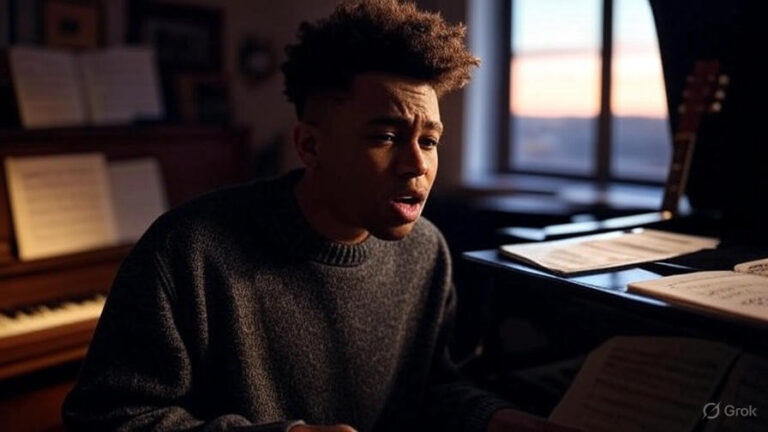
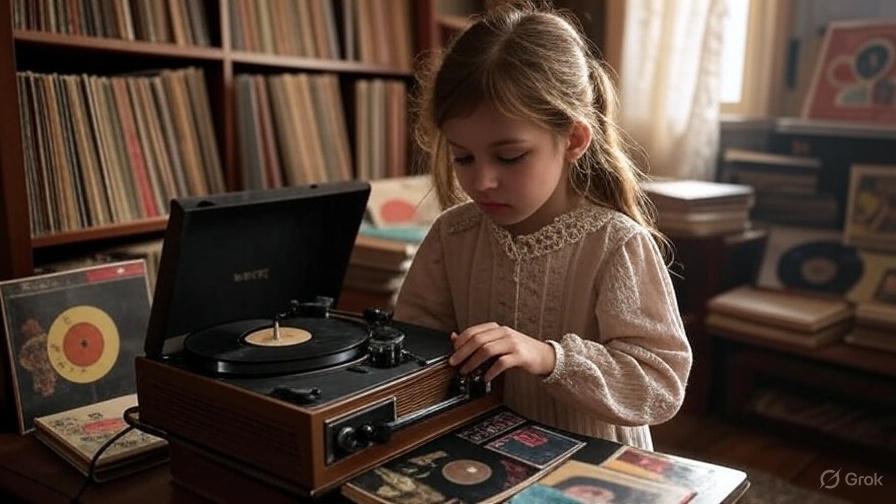
Childhood songs hit like a warm hug from long ago, waking up memories of family road trips, slow afternoons, and cozy bedtime routines that shaped who someone turned out to be. Hearing a familiar tune from those days can pull people back to easier times, filling hearts with comfort and joy. From lullabies softly sung by parents to catchy jingles from old TV shows, these songs keep a special place inside, carrying stories and feelings that never really go away. Anyone who loves diving into memories and strong feelings will find magic in these unforgettable melodies. Keep going—you’ll find out why these simple songs pack such a big punch and can still bring a smile long after the past has passed.
Beyond their emotional significance, songs from childhood often serve as cultural touchstones, connecting generations and preserving traditions. They can also play a role in learning and development, aiding language acquisition, memory, and social skills. In this article, we will explore the significance of childhood songs, highlight popular examples, and provide ways to incorporate these melodies into everyday life for both reminiscing and educational purposes.
Popular Songs from Childhood That Resonate Across Generations
Many childhood songs have stood the test of time, remaining favorites well into adulthood. These tunes often have simple melodies, repetitive lyrics, and engaging rhythms that make them easy to remember. Songs like The Alphabet Song or Twinkle Twinkle Little Star are classic examples that children worldwide learn early on and often carry into later years.
Famous Nursery Rhymes and Their Cultural Impact
- Row, Row, Row Your Boat: A song that promotes teamwork and rhythm through its repetitive lines and encouraging tone.
- Humpty Dumpty: A story-poem that has become part of storytelling traditions, teaching resilience and the consequences of actions.
- Old MacDonald Had a Farm: An interactive song that introduces animals and sounds, perfect for engaging children in learning about the natural world.
These songs are often passed from parent to child, creating a shared cultural experience that bridges generations. Plus, their simple structure makes them a favorite for teaching language and musical skills.
Why Childhood Songs Matter Beyond Nostalgia
childhood melodies do more than bring back memories. They play a crucial role in early development and can influence a child’s growth in various ways. For example, musical activities have been linked to improved language skills, better memory, and increased emotional regulation.
The Educational Value of Childhood Songs
- Language Development: Repetitive lyrics and rhymes help children grasp new vocabulary and pronunciation.
- Memory and Cognitive Skills: Learning and recalling songs strengthen memory pathways and pattern recognition.
- Social Interaction: Singing together encourages teamwork, turn-taking, and communication skills.
Listening to and singing childhood songs can also provide comfort and stability, especially during times of change or stress. The repetition and familiar melodies act as a soothing reassurance that fosters emotional well-being.
How to Incorporate Childhood Songs Into Daily Life
Bringing songs from childhood into everyday routines can be both fun and educational. Here are some practical tips to make singing a natural part of life:
Creating Musical Moments at Home
- Sing During Chores: Incorporate songs into cleaning, cooking, or other daily tasks to make them more enjoyable.
- Use Music in Bedtime Routines: Establish a calming playlist of favorite childhood songs to signal winding down for sleep.
- Family Karaoke Sessions: Host regular singing sessions to encourage participation and shared joy.
Leveraging Technology for Song Recall
- Playlists and YouTube: Create playlists of childhood favorites for easy access and shared listening experiences.
- Educational Apps: Use apps that incorporate songs for language learning and cognitive development.
- Music Guessing Games: Turn song listening into fun games that challenge children to identify tunes or lyrics.
Remember, the key is consistency and making music an organic part of daily interactions. This not only preserves cherished memories but also helps children develop a love for music that can last a lifetime.
Top Classic Songs from Childhood for Modern Families
While some childhood songs are timeless, many modern adaptations and new favorites continue to emerge. Below are some of the top classic songs that remain relevant today, along with suggestions for parents and educators looking to pass on these melodies.
Timeless Favorites to Share
- The Wheels on the Bus: An interactive song that helps children learn about transportation and sounds.
- Itsy Bitsy Spider: A fingerplay song that builds fine motor skills and introduces storytelling.
- Five Little Monkeys: A counting song that uses humor to teach numbers and subtraction basics.
Suggestions for Creating Your Own Childhood Playlist
- Include songs with simple and repetitive lyrics for easily memorized tunes.
- Mix traditional nursery rhymes with contemporary or culturally diverse songs to broaden musical exposure.
- Try to select songs that evoke positive feelings and provide gentle rhythms to promote relaxation.
Additionally, consider involving children in selecting their favorite songs. This encourages participation and makes the musical experience more meaningful.
Remembering Childhood Through Music: Tips for Parents and Caregivers
Sharing childhood songs with children offers an opportunity to pass down family traditions, cultural heritage, and personal stories. Here are some ideas for keeping these melodies alive:
- Storytelling with Songs: Share the stories or memories attached to particular songs to deepen emotional connections.
- Sing Along Live: Attend children’s concerts or musical events to foster an appreciation for live music experiences.
- Create Personal Recordings: Record yourself singing favorite childhood tunes to preserve your versions and encourage singing together.
As you introduce these songs, focus on the joy of sharing music rather than perfect performance. The goal is to create meaningful moments that reinforce bonds and build memories.
Conclusion: Keep the Spirit of Childhood Songs Alive
Songs from childhood carry a special magic that enriches our lives in countless ways. Whether they serve as nostalgic reminders of earlier days or as tools for learning and bonding, these melodies form a vibrant thread connecting generations. Embracing childhood songs in everyday routines can foster language development, emotional comfort, and shared joy for families and communities alike.
By actively including these tunes in your life, you help preserve cultural traditions, nurture a love for music, and create a legacy of musical memories for future generations. So, why not start today? Gather your favorite childhood songs, sing along, and watch as those melodies bring warmth and connection into your world. The next time you hear a familiar tune, remember it is more than just a song — it is a bridge between the past and the present, a gift of joy that never loses its charm.